Vancouver Maritime Museum Launches New Exhibition, The Lost Fleet
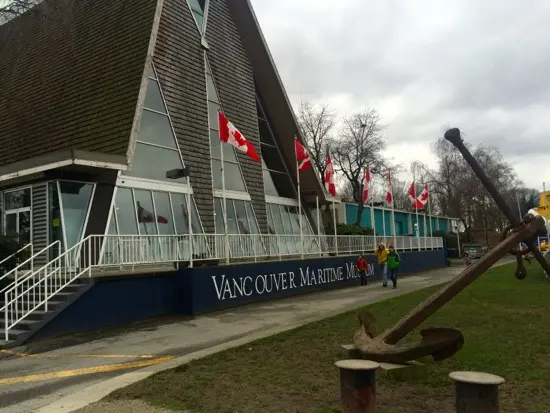
The Vancouver Maritime Museum (1905 Ogen Avenue) is located in Vanier Park, with its gorgeous views of False Creek, English Bay, and downtown Vancouver. The Museum’s waterfront location makes it an ideal site for preserving and exploring the maritime history of the Pacific Northwest and Arctic.
From now until March 25, 2018, the Vancouver Maritime Museum will host an exhibition that examines a dark chapter in the city’s and Japanese Canadian history, one that has particular resonance and relevance to current events today.
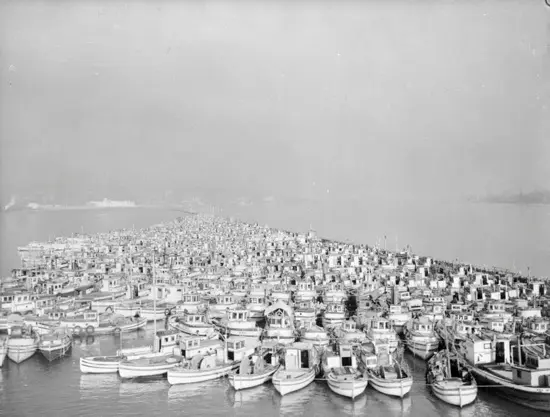
The name of the exhibition, The Lost Fleet, refers to the nearly 1,200 Japanese Canadian owned fishing boats that were forcibly confiscated during World War II.
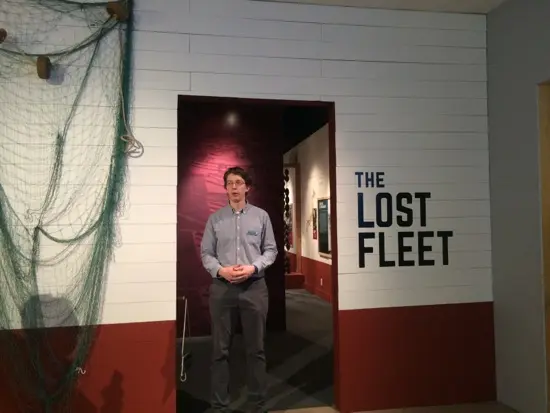
Curator Duncan MacLeod says that this is the first time an exhibition on the seizure has been on display at the Museum. It was inspired by current discussions over non-White immigrants and turmoil in Syria, which mirrored similar conversations about Japanese Canadians during WWII.
The exhibition is an incredibly important and educational one, featuring archival photographs and documents, models, and historical artifacts.
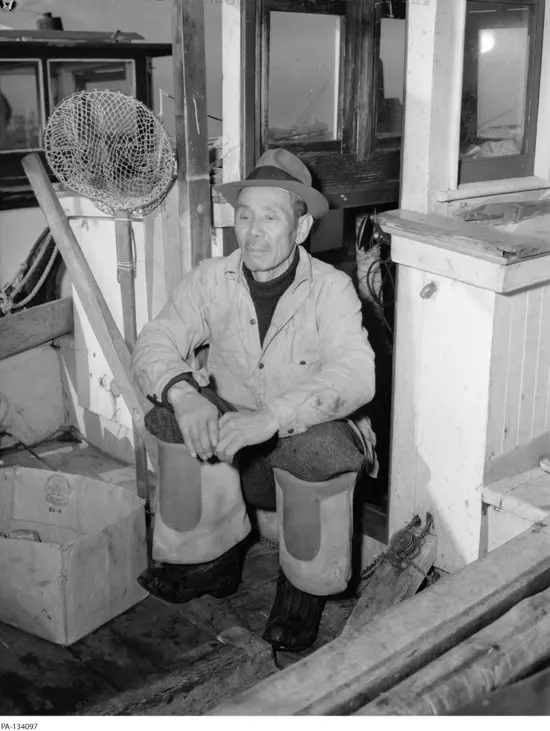
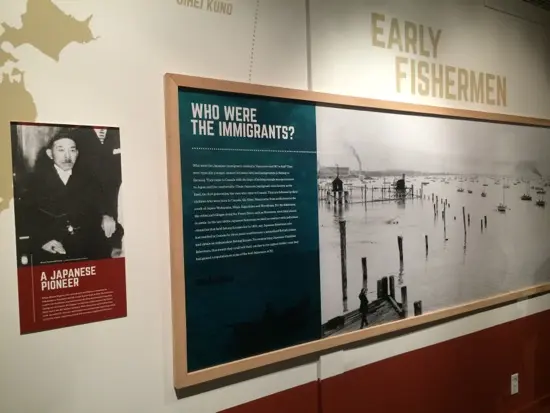
It takes the visitor on a journey, beginning with initial Japanese immigration to British Columbia of the Issei generation who came from prefectures in the south of Japan. It profiles Manzo Nagano, the first documented Japanese immigrant to Canada in 1877, who worked as a fisherman on the Fraser River.
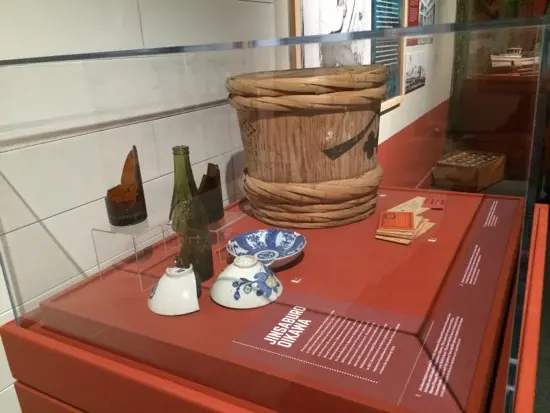
Visitors will learn about pre-WWII Japanese Canadian industry and settlements in this region, supplemented by archaeological material, such as pottery and beer bottles.
Descriptions of net-making as well as boat building appear next to models of Japanese Canadian-built fishing vessels.
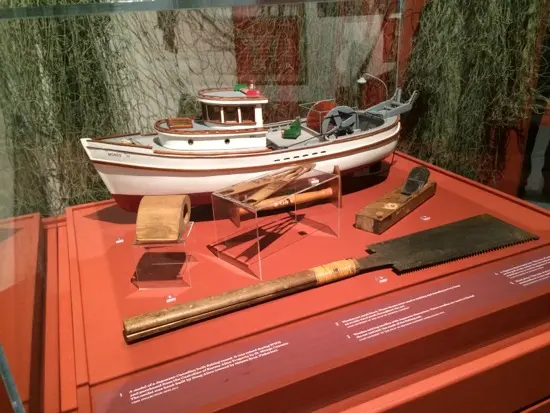
The Lost Fleet explores early racism against Japanese Canadian communities, including 1907 anti-immigration riots in Vancouver that transformed into an attack on Chinatown and then Japantown. It then leads the visitor to the events of WWII, in which the 1941 Japanese bombing of Pearl Harbour lead to an unsubstantiated fear of the longstanding Japanese Canadian community. These unfounded suspicions were used to justify the seizing and selling off of Japanese Canadian boats and other property, as well as the sending of Japanese Canadians to internment camps in the interior of BC and across Canada.
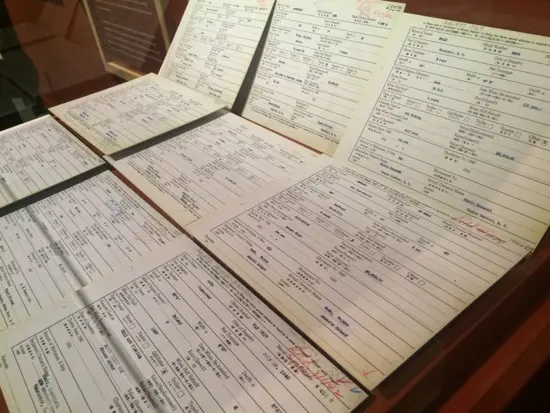
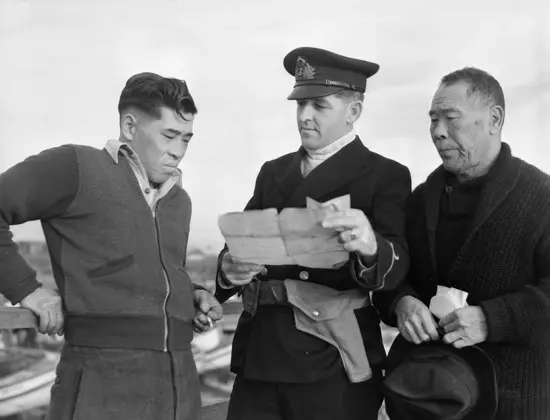
The exhibition ends with the Japanese Canadian Redress Settlement of 1988 in which the Canadian government formally apologized for the injustice. It also connects these historical events to the present day, questioning whether such acts could occur today. Visitors are asked to ponder the hard lessons from the past as they consider concepts of openness and diversity. This is an exhibition that is well worth seeing and learning from.
Craving
retail
or
nightlife?