Into the Wild: Discovering Foraged Foods in Vancouver
Fall in Vancouver: A time when dense mists settle over the forests and skyscrapers, the mountains take on a light dusting of snow, and at dusk, streetlights glow orange through the falling rain and black shapes of leafless trees. To the unpracticed eye, it might look like our beloved natural surroundings are shutting down for the year. But there’s plenty of life to find if you know where to look.
Foraging, or gathering food from wild spaces, is a practice as old as humanity. Local Indigenous Nations have been foraging here for thousands of years. Nowadays, when finding food for dinner can be as simple as a stroll through the supermarket or ordering takeout on your smartphone, foraging fills a different kind of need.
In recent years, foraging has found a niche as a way for conscious consumers to slow down, reconnect with nature and learn more about the dozens of local edible plants and fungi hiding in plain sight. And once you learn to recognize a few species, you start to spot them everywhere.
Foraging best practices:
- Go with an experienced guide or as part of a tour. Many toxic plants look similar to edible ones. Especially if you’re mushroom foraging, mistakes can be deadly.
- Harvest a maximum of 10% of the plant. This leaves some for other foragers, animals who rely on the plant as a food source, and for the plant to grow back next year.
- Stick to provincial Crown land or private property where you have permission to forage. Foraging is not permitted in national or provincial parks.
What Foraged Foods are Available in Vancouver?
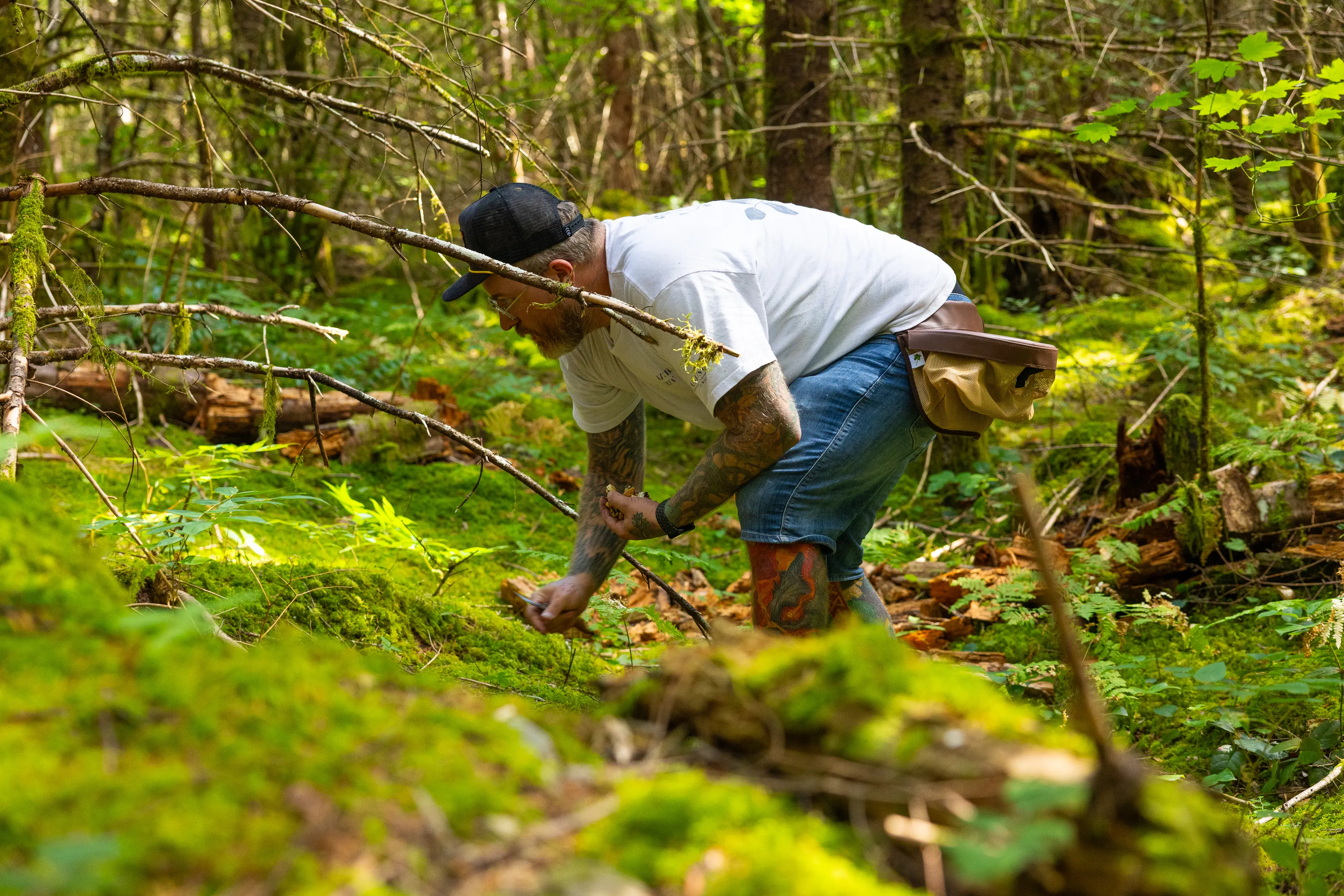
Fall is the perfect time to go mushroom foraging in Vancouver with a professional guide. To learn to safely ID wild plants and fungi, try a wild mushroom tour with Swallow Tail Culinary Adventures or a fall foraging tour on Mount Seymour. While these tours don’t permit harvesting, you might find:
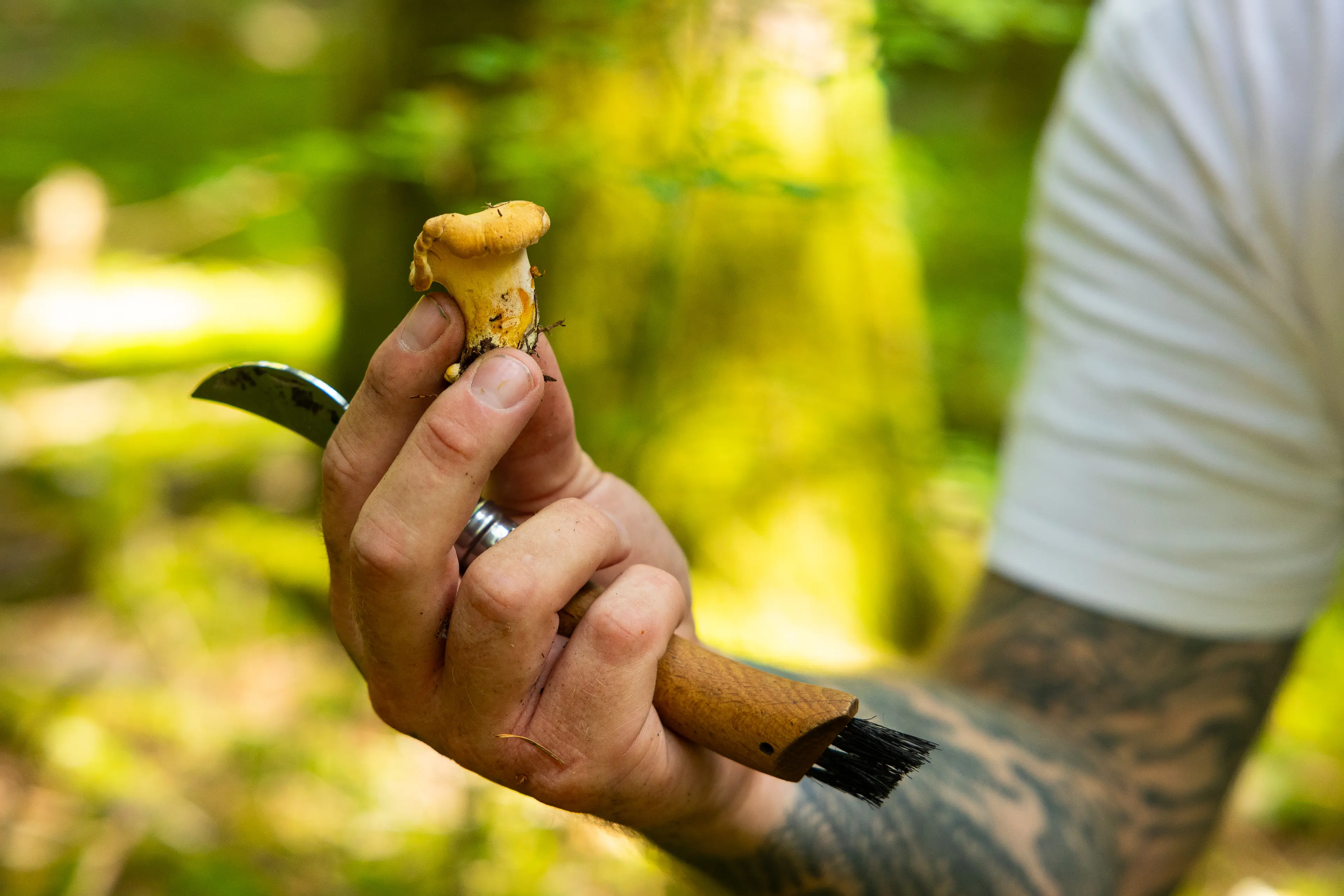
Chanterelles, which are generally golden and trumpet shaped with ridged stems, tend to pop up in rainy forests in late fall. Their amazing mild, nutty, slightly sweet flavour makes them one of the most exciting mushrooms to find. Let them dry out a little then dry sauté and finish with garlic and butter.
Porcini, which are large, fat mushrooms, have a brown cap, thick, light brown stem and no gills. They grow on the forest floor and emerge in Vancouver in the summer and early fall. Solid and nutty, they’re delicious in pasta with garlic, white wine and thyme.
Oyster mushrooms, which are pale with short stems and large, wavy, shelf-like tops, show up in clusters on dead trees (especially aspens), usually after heavy rain. They’re easiest to find in spring, but a second batch arrives in the fall. They have a very light flavour. Stick to younger mushrooms, which are lighter in colour and not slimy. Try sautéing in butter and serving in a quiche or omelette.
Not a mushroom person, or looking to branch out? Other local goodies that can be foraged around Vancouver in the fall:
- Dandelion root: When dried or roasted, the taproot makes a caffeine-free alternative to coffee.
- Juniper berries: A sharp, piney flavour that goes well with game meats.
- Wild rose hips: Packed with Vitamin C, they make a tasty tea.
- Wild chamomile: Sweet and soothing, another great tea option.
And remember, plants don’t only grow on land! Foraged seaweed is super fun to try, although it’s best harvested in spring (again, Swallow Tail has a tour). Bull kelp and sea lettuce are good places to start.
Where Can You Buy Foraged Foods in Vancouver?
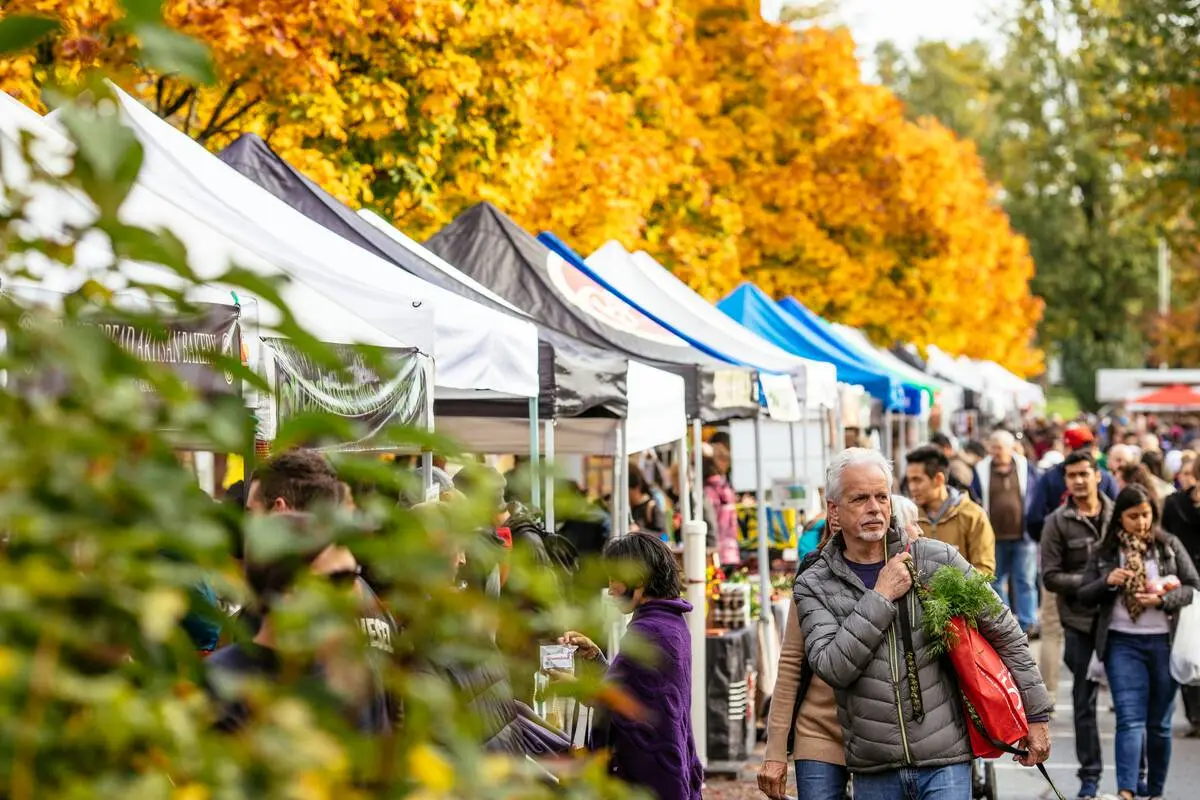
For a safe and convenient way to experience foraged foods firsthand, skip the guesswork and buy some ready to enjoy.
- At Vancouver Farmers Markets, keep an eye out for Sea-to-Sky Mushrooms, which generally has a table at the Trout Lake Farmers Market (open Saturday mornings until late October).
- Four Seasons Farm in the Granville Island Public Market sometimes stocks foraged mushrooms.
- Harvest Community Foods in Chinatown/Strathcona sporadically sells foraged foods like mushrooms, nettles and fiddleheads. Supply depends on when foragers happen to drop by.
- East West Market in Kerrisdale has fiddleheads in spring.
That said, since foraging is less predictable than farming when it comes to timing and quantities, it’s almost impossible to guarantee stock of a particular item. Think of it as part of the thrill of the chase!
If you’re looking for foraged foods you can bring outside Canada, dried or preserved options are your best bet.
Forest For Dinner supplies dried foraged mushrooms as well as other tasty treats like wild preserves, flavoured salts and sugars. In Vancouver, find their products at The Federal Store and Upstart and Crow. Be sure to call ahead if you’re looking for something specific.
West Coast Wild Foods has a range of fresh, dried, frozen and preserved foraged goodies, plus gift boxes and beauty and wellness products, all available to order online.
Dried and preserved foraged foods are generally fine in luggage, but be sure to double check with the relevant government authorities before crossing any borders.
Where Can You Taste Foraged Foods in Vancouver?
Want to taste the huge range of wild plants that grow here, no hunting or cooking required (on your part, anyway)? Book a table at one of the many excellent restaurants that feature foraged ingredients on their menus:
- The Acorn in East Vancouver serves creative vegetarian dishes in a warm, dream-like space focused on sustainability.
- In scenic Coal Harbour, Botanist crafts whimsical cocktails and elegant meals in a photogenic, garden-inspired room inside the Fairmont Pacific Rim Hotel.
- Burdock & Co, another East Vancouver gem, delights with poetic, botanically themed “moon menus” made with hyperlocal ingredients.
- Over in Kitsilano, Folke offers satisfying yet elevated vegan share plates in their tasteful West Side bistro.
- One more East Vancouver spot: Published on Main celebrates sustainable local ingredients in European-inspired dishes.
Eating locally foraged foods isn’t just a way of practicing sustainable dining. It’s a way of learning about your surroundings: opening your eyes to the possibilities and flavours nestled in sidewalk cracks, under fallen logs and hanging from trees.
One of the many charms of Vancouver is that despite it being a full-fledged city, there are still pockets of nature everywhere to explore. Whether you’re mushroom foraging, forest bathing or just out for an autumn walk, a world of edible plants and fungi are waiting to be discovered.
Hungry
for
fresh
eats?