Urban Wilderness
Urban Wilderness
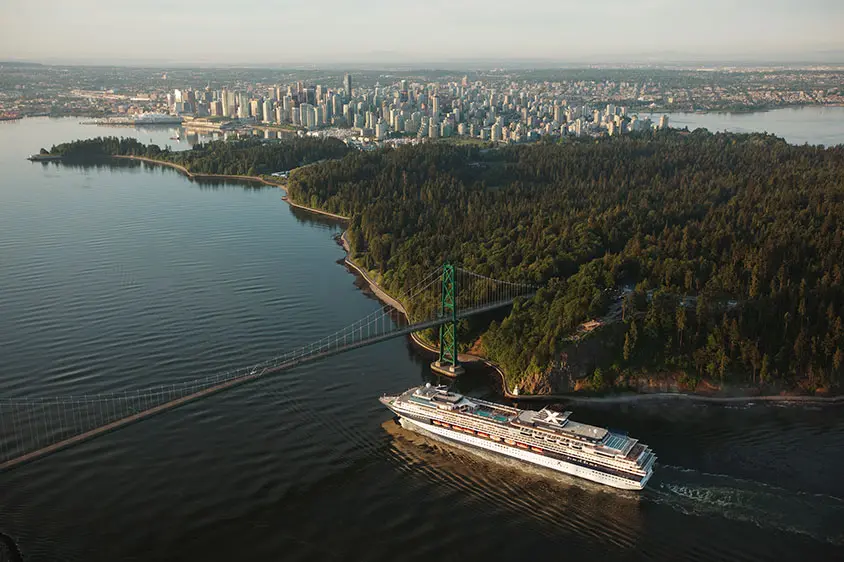
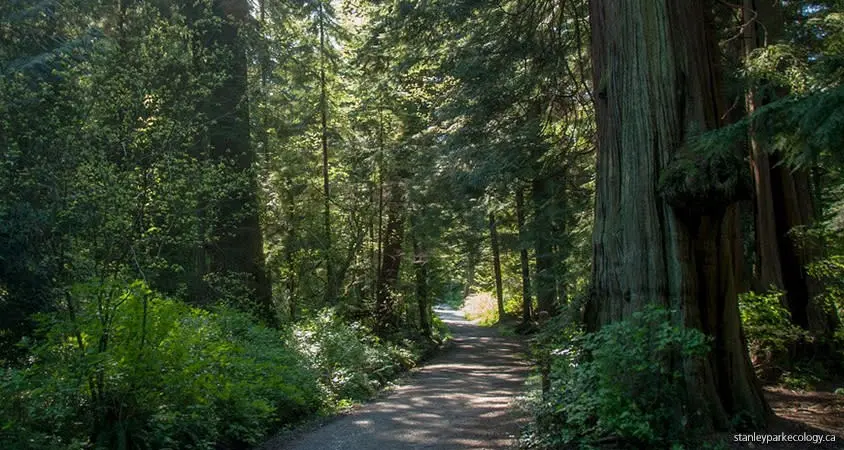
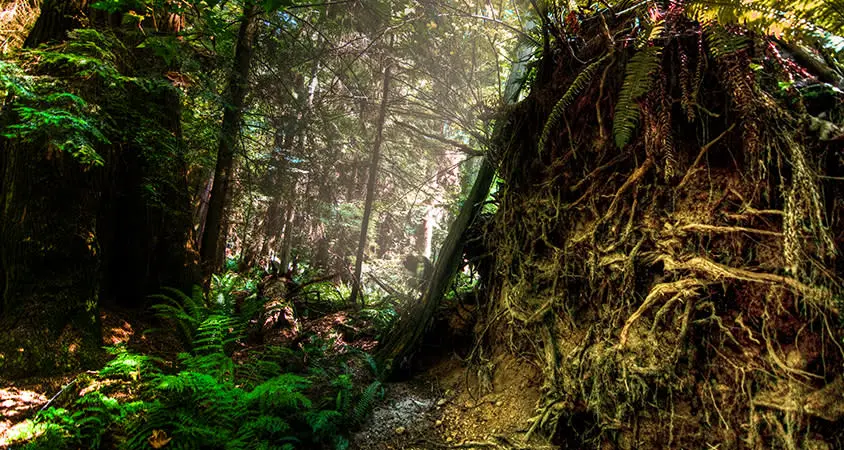
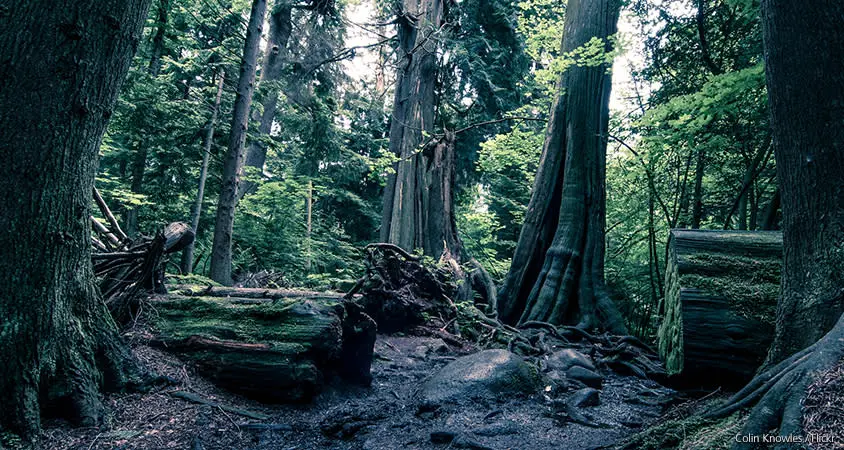
Close your eyes and breathe deeply. As the earthy, cedar-scented air fills your lungs, you’re calmed by the natural white-noise of an old-growth temperate rainforest: wind moving through leaves, branches creaking, evergreen needles crunching underfoot. Your train of thought is momentarily interrupted by the squawk of a heron followed by the languid flapping of its wings. Perhaps you can hear water hitting rocks off in the distance. You open your eyes and continue along the trail, gazing to the sky to appreciate the height of the hemlock and fir trees that surround you. As you round the corner, the path opens up to Lost Lagoon and right in front of you, not more than five minutes away, are the towers and skyscrapers on the edge of downtown Vancouver.
Welcome to Stanley Park.
For many, Vancouver is synonymous with “the great outdoors.” The city is known as a natural playground, and there is certainly no shortage of ways to lose yourself in our wilderness: from kayaking up a fjord to skiing down a mountain; hiking across a range or climbing a sheer rock face. But you don’t have to travel far to get a taste of Vancouver’s natural side.
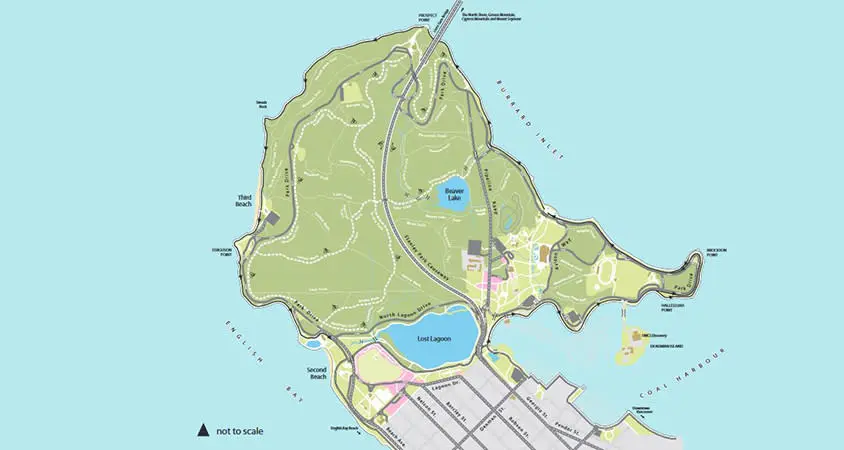
Stanley Park is located on the northern half of the city’s downtown peninsula – around 1,000 acres of hiking trails, beaches, old-growth forest, gardens, attractions and activities. The walk into the park is about 20 minutes from most downtown hotels, but you’ll feel a lot more than 20 minutes away from the hustle and bustle.
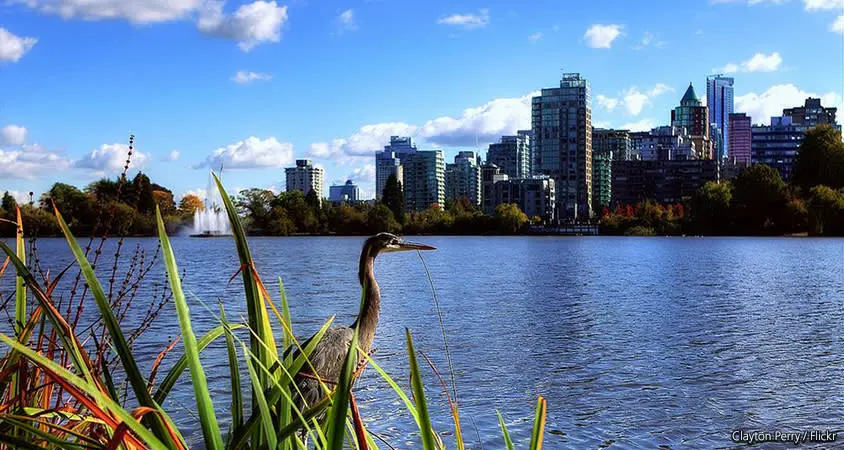
Lost Lagoon is home to a wide variety of water birds – stop in at the Stanley Park Nature House to learn more about the park’s wildlife. The Stanley Park section of the seawall stretches 9 km (5.5 miles) around the perimeter of the park, and walking this will take you past attractions such as the popular totem poles at Brockton Point, public artworks, the Second Beach Pool, and plenty of photo-worthy vistas.
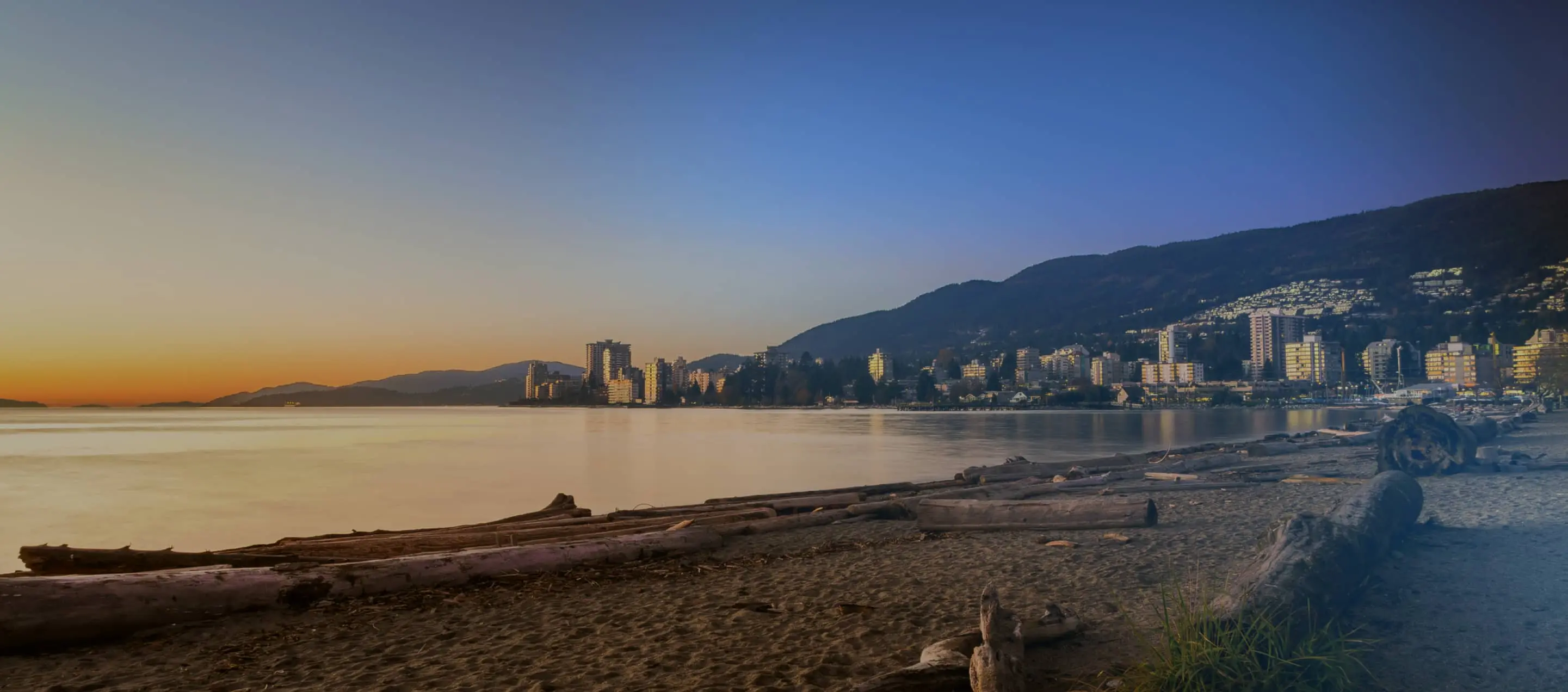
Whether you arrive via the seawall or by hiking through the trails in the middle of the park, you’ll want to make sure you stop at one of the beaches. Both Second and Third Beach offer perfect opportunities to take off your shoes, wiggle your toes in the sand, then sit back against a log to relax as you enjoy the view, the sun glinting off the water as you take it all in.
For more information on Stanley Park, click here.
Stanley Park: An Urban Wilderness
Stanley Park Map
Stanley Park Trail Map
(Click for larger version)
Into
scenic
spots?
Get
ideas.