Whale Watching Season in Vancouver: When's the Best Time to Go?
Nature’s Giants in Vancouver’s Backyard
Different species of whales travel through our northern waterways, giving you the chance to see these majestic mammals in the wild. Beyond Vancouver whale watching, you’ll find no shortage of awe-inspiring things to do in Vancouver.

95%
Whale sighting success rate
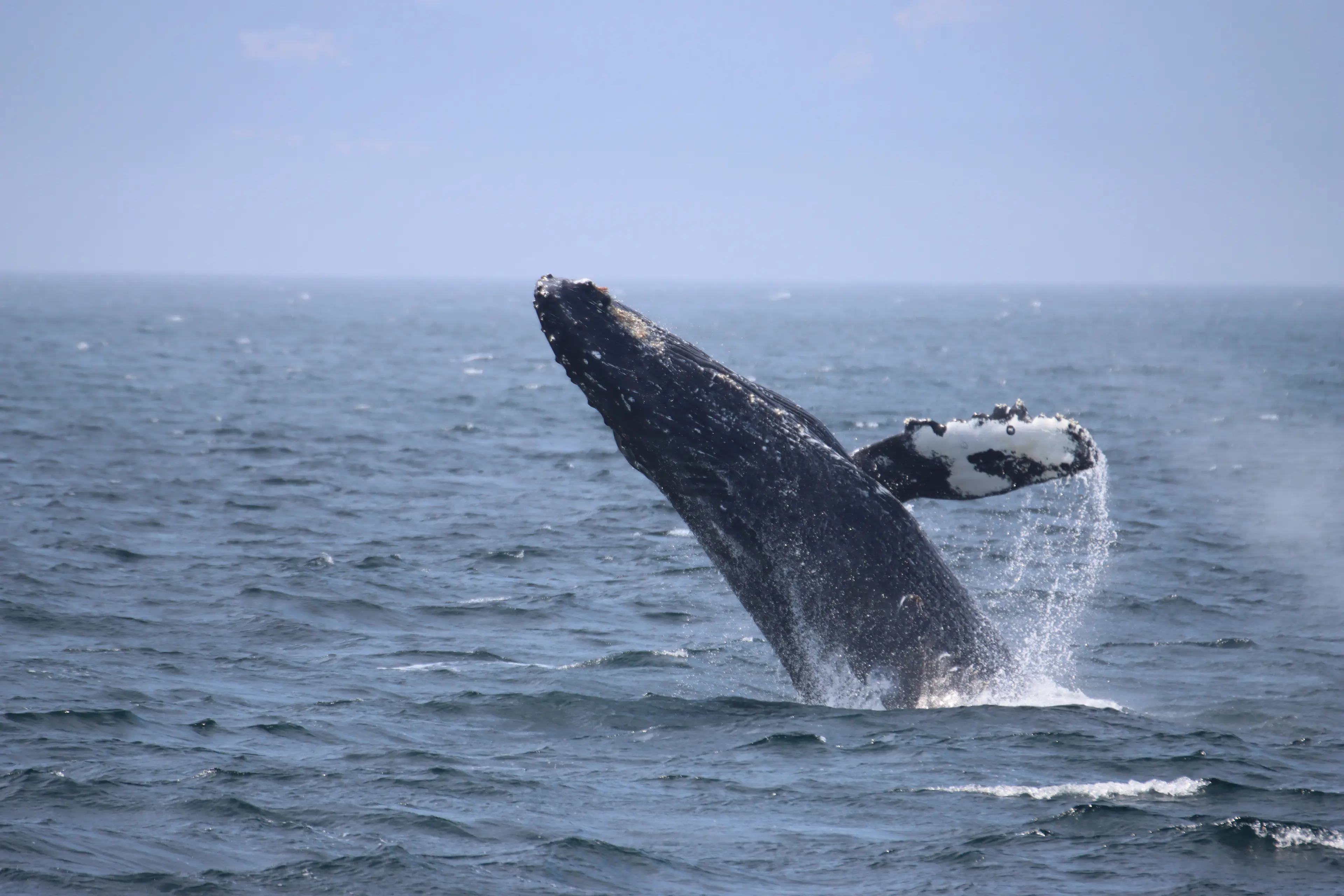
Marine giants like humpback, orcas, grey and minke whales occupy the waters near Vancouver, offering unforgettable sightings. While the prime viewing season is from April to October, these majestic creatures can be spotted almost year-round, as they are in our nutrient rich waters to feed.
Whale Watching Season in Vancouver
Few cities are lucky enough to get visits from orcas and humpbacks on their doorstep. But Vancouver offers that and more, just minutes away from the city centre. The whale watching season in Vancouver runs from roughly April to October, with the peak months falling between May and September. If you’re looking for the best time to visit and spot your favourite whale in person, your best bet is that summer stretch. That said, when you choose to go also depends on what you hope to see and how you like to travel.
Whether you are here for a few days or have lived along this coast for years, a trip on the Salish Sea is worth adding to your itinerary.
When Is Whale Watching Season in Vancouver?
Vancouver’s whale watching season is shaped by the food cycles. As the water warms during the spring and summer, salmon and smaller bait fish move into the Salish Sea, and the whales follow. This is why most operators run daily tours between April and October, and why May to September is the busiest window.
You can still spot whales at other times of the year (orcas are known to travel the coast year-round and are sometimes spotted travelling under Lions Gate Bridge), but you’re far less likely to find a tour in the winter.
When Is The Best Time to Go Whale Watching in Vancouver?
The best time for whale watching very much depends on what you’d like to see.
Early spring (April and May): This is usually when the grey whales pass through on their northern migration to Alaska.
Early summer (May and June): Bigg’s orcas show up more often and humpbacks return from their wintering grounds.
Peak summer (July and August): This is your best chance for seeing more than one species on a single tour (weather and tide depending).
Fall (September and October): Humpbacks are often their most active at this time, and there are fewer crowds on the water.
Time of day matters less than you would think, since whales surface to breathe on a regular basis. That said, mornings and evenings are often better because the water tends to be calmer.
What Whales and Wildlife Will You See?
There are two types of orcas that visit Vancouver. Bigg’s orcas are transient and they travel in stealthy groups that ambush seals and other marine mammals. Resident orcas feed on salmon and travel in tight family pods.
Humpbacks have made a strong return to the coast in recent years. They spend summer and fall feeding here, before making the long trip south to Mexico and Hawaii. Grey and minke whales also visit, but less often, usually around their migration season.
In addition to whales, you’re also likely to spot sea lions, harbour seals, porpoises and bald eagles during your tour.
Where Do Whale Watching Tours Leave From?
Most Vancouver tours leave from one of two spots.
Granville Island is just minutes from downtown. You can walk, take public transit or hop on a water taxi. Tours from here are easy to get to but can take a little longer to reach the whales.
Steveston, the historic fishing village in Richmond, is about a 35-minute drive south from downtown Vancouver and you can also get there via public transit. Boats reach open water faster and the village is worth spending some time in for fish and chips and the waterfront.
Whether you choose to leave from Granville Island or Steveston, whale watching is a great half- or full-day adventure to include in your Vancouver itinerary.
Who Are the Whale Watching Tour Operators in Vancouver?
Vancouver’s whale watching companies fall into two camps defined by the type of boat they use. Covered catamarans are roomy, heated and family-friendly. Open zodiacs put you low and close to the water for a more immersive ride, with weather gear provided. Most operators offer a sighting guarantee so you can book again at no charge if you don’t happen to see a whale on your tour.
Operators include:
- Prince of Whales: Runs catamaran tours from Granville Island, with a heated cabin and open decks.
- Wild Whales Vancouver: Granville Island’s original operator, offering covered, semi-open and zodiac vessels.
- Vancouver Whale Watch: Departs from Steveston with a zodiac fleet and a shuttle from downtown Vancouver.
- Seabreeze Adventures: Runs smaller-group tours out of Steveston with a focus on education and conservation.
Most tours are scheduled to run three to five hours. Check each operator's site for current departure times, prices and vessel options, and book ahead in summer when trips sell out.
What Should You Pack for a Tour?
It can be cold and wet on the water, even on a sunny day, so dress in layers and plan to bring the following:
- A warm layer like a fleece, plus a rain jacket
- Sunglasses, a hat and sunscreen
- A camera and a dry bag to protect it
- Motion-sickness tablets if that’s a concern for you
- Snacks and water (but check with the tour provider first as they might also provide some)
Open zodiac tours will typically supply waterproof gear. Confirm details with your operator when you book.
How Can You Watch Whales Responsibly?
Vancouver’s operators follow the Be Whale Wise guidelines and standards set by the Pacific Whale Watch Association. The goal is to keep boats at a safe distance from whales. Those rules matter most for the region’s endangered southern resident orcas.
Choosing a responsible operator is part of the trip. Many crews double as educators and support local marine research, so your ticket also helps protect the wildlife you’re there to see.
Ready To Meet Vancouver’s Whales?
No matter when you visit, the Vancouver coastline rarely disappoints. It’s the perfect spot for any mix of water activities you want to take part in. Book your whale watching tour early in peak season, dress for the sea breeze and be prepared to see magnificent creatures.
Looking for more outdoor adventures you can take part in while you’re here? Explore more things to do in Vancouver.