Date Idea: A Visit to the Museum of Anthropology
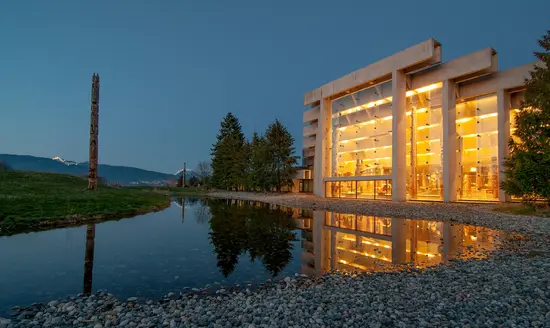
My boyfriend “S” has lived nearly two years in Vancouver and, up until this week, had never been to the Museum of Anthropology (MOA) at the University of British Columbia (UBC). I say this with some surprise because the MOA (6393 N.W. Marine Drive) is one of my favourite museums (and places) in the city. I go at least once a year to check out one of their temporary exhibits, but also just to visit an old friend who reminds me why I love the west coast so much.
And because I also love S, I wanted to share the MOA with him. Plus, our dates have been getting a tad humdrum (ie lounging on the couch) so I wanted to do something different for a change.
It was one of those perfect Vancouver nearly spring days that I can’t get enough of: blossomed trees lining the streets and the weather starting to warm up. We drove along the outskirts of the university campus until we reached the museum. The location is spectacular (and fitting) due to it being in the forest and on the traditional land of the Musqueam (“people of the grass”).
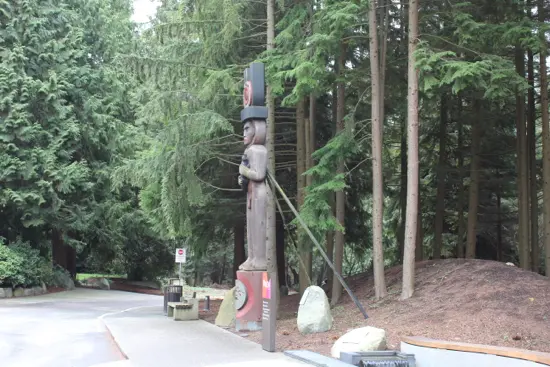
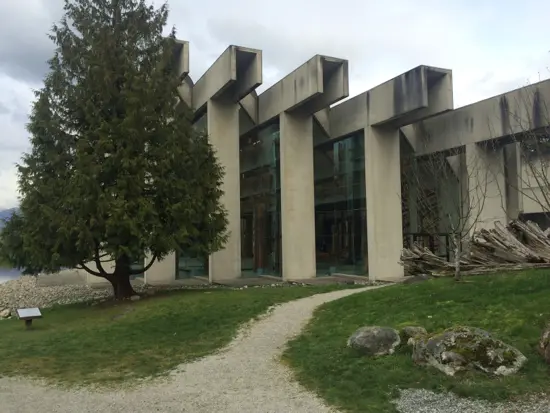
We went past the welcoming Ancestor Figure by Susan Point and took in the beauty of the stark building. Designed by celebrated local architect Arthur Erickson, the MOA, made of concrete and glass, stands in contrast to the natural environment. It also draws inspiration from the post-and-beam design of northwest coast First Nations’ structures. The result is striking, to say the least.
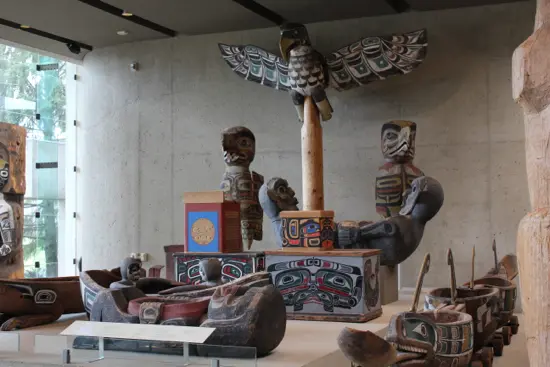
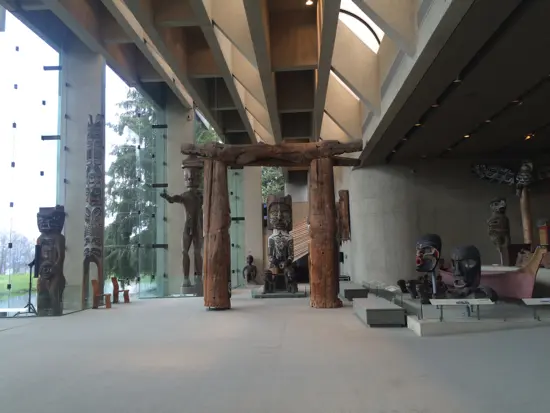
Once inside, I made us slow down as we walked down the Ramp into the stunning Great Hall where primarily 19th century sculptures, totem poles, storage boxes, masks, canoes, and large house dishes from the Haida, Gitxsan, Kwakwaka’wakw, Nisga’a, and Coast Salish peoples are displayed.
S and I rested against each other at a bench, taking in the view of two sea-lion posts with a cross beam, which once were inside a Gukwdzi (Bighouse) on northern Vancouver Island.
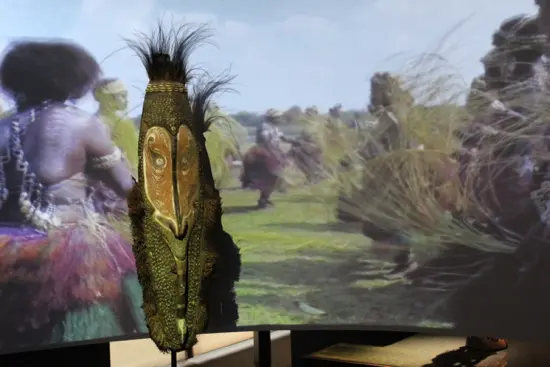
From there, we made our way to the exhibition “In the Footprint of the Crocodile Man: Contemporary Art of the Sepik River, Papua New Guinea,” which runs from now until January 31, 2017. The exhibition consists of twenty-seven intricate sculptural pieces, many of which are adorned with feathers, shells, and paint, and reflect ceremonies and myths. Not only did we admire the artistry of the works, but we also learned about issues regarding potential environmental destruction to the Sepik Basin.
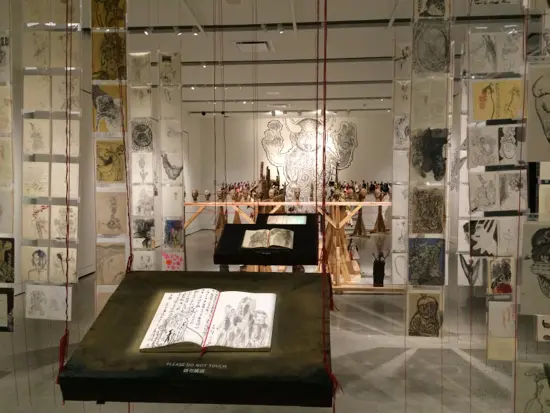
One of the highlights of our visit (there were so many) was “(In)visible: The Spiritual World of Taiwan through Contemporary Art” (until April 3, 2016). Even S who usually can’t compute art with his logical brain was impressed. Seven artists have created provocative and visually arresting installations that explore Taiwan’s diverse and vibrant spiritual world and its coexisting modernity.
For example, artist Li Jiun-Yang in his work, “Miao,” has brought together puppets, painting, wire sculpture, and graffiti in his showcasing of Taiwanese folk culture.
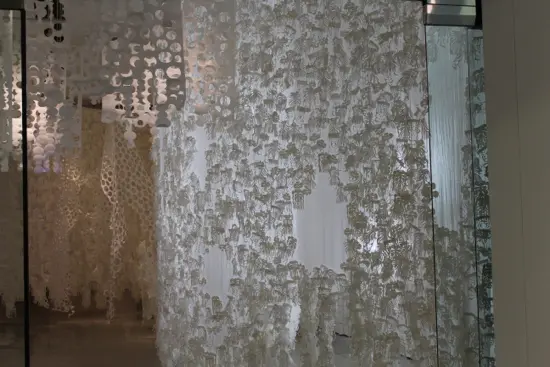
S and I especially enjoyed wandering through the hanging white paper cuttings by Chiu Yu-Wen in her installation “Water Fairies Reproduction Project.” There was something sacred, yet fragile about their construction, as if they would somehow disappear once we turned away from them. The work is meant to mimic entering into the deep quietude and protection of memory.
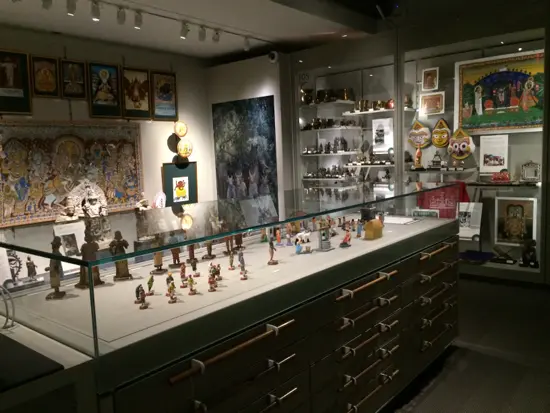
We spent quite some time in the “(In)visible” exhibit before moving onto the Multiversity Gallery with its thousands of artifacts in open storage from the museum’s worldwide research collections. It was a dizzying array of material for both of us.
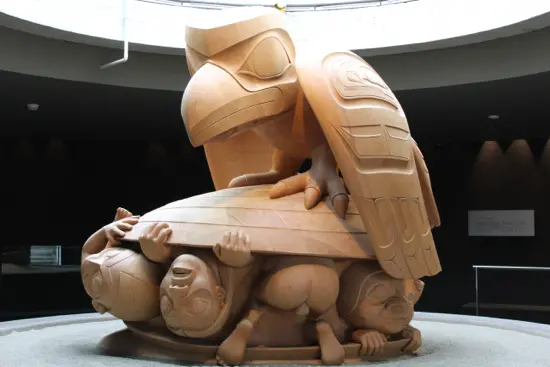
I told S that the climax of any visit to MOA is the Bill Reid rotunda, dominated by the sculpture “The Raven and the First Men,” which was carved by renowned Haida artist, Bill Reid, from one block of laminated yellow cedar. We sat next to it and marveled at its artistry and technical craft.
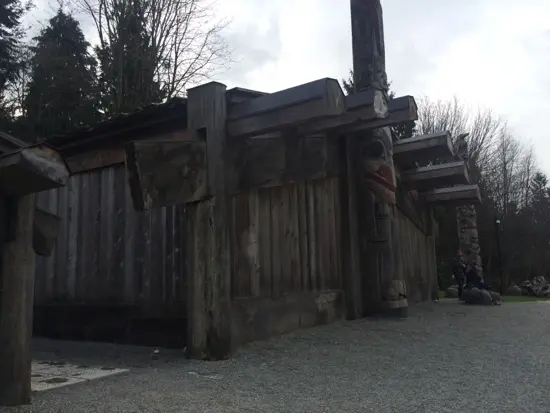
By this point, our lovely date was coming to a close. We ended it by strolling hand-in-hand around the back of the museum to see the Haida house exhibit by Bill Reid and ‘Namgis artist Doug Cranmer.
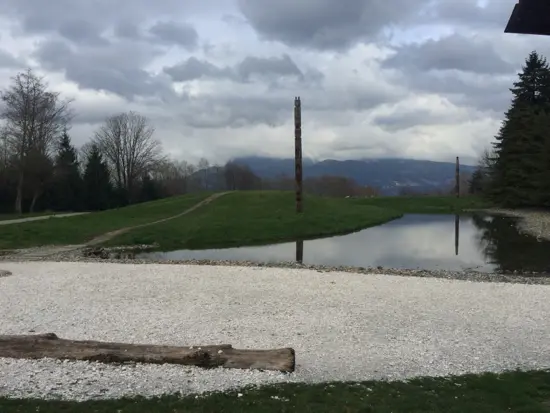
We took one last look at the gorgeous view before reluctantly leaving. We were glad that we got to experience it together.
The MOA is open Wednesday to Sunday from 10am to 5pm, and Tuesdays from 10am to 9pm. Tickets are $16.75 for adults and $14.50 for students and seniors. Tuesday evenings (from 5pm to 9pm) are $9 (perfect for an evening date).
Craving
retail
or
nightlife?