Urban Foraging: Herb Walks and Medicine Talks in Vancouver
By: Jessica Linnay
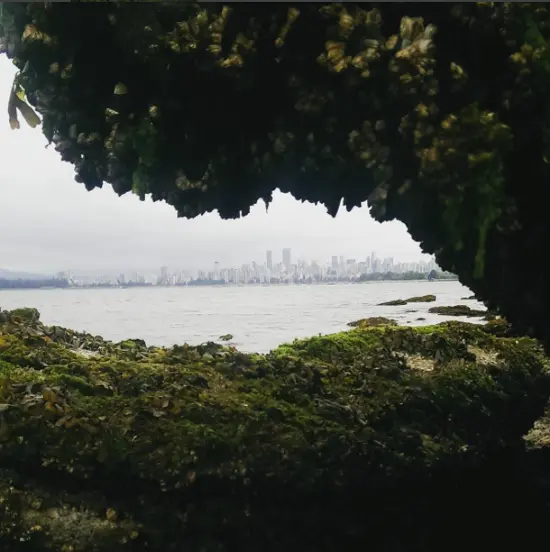
Between the trees, along the shores, and nestled among foliage throughout Greater Vancouver grow inconspicuously common and incredibly helpful plants: wild growths that not only take root in the soil of our backyards but also in our daily lives in the form of teas, tinctures, ointments, spices, and sustenance. Surely you’ve noticed dandelion greens at the farmer’s market or experienced a powerful cup of nettle tea; but that we pass by these plants in the wild without realizing their value symbolizes a broken connection to nature that local herbalist Bronwen Erickson hopes to renew by hosting Herb Walk & Wild Foraging at Jericho Beach Park on April 2.
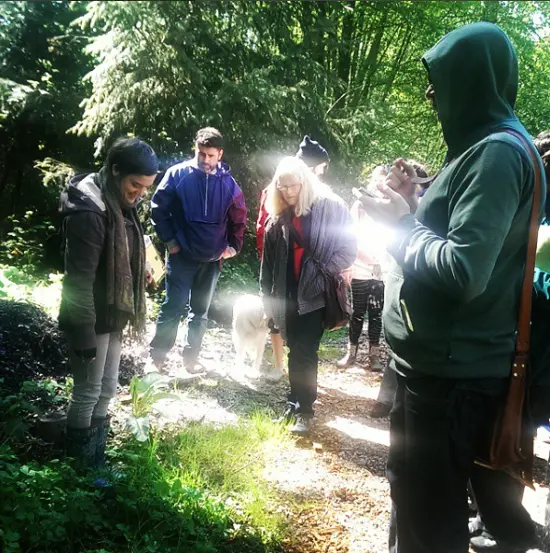
“[The value of knowing how to forage from the wild] is not only about nourishing yourself but also about rebuilding your connection with nature,” said Erickson. Many of us don’t have that connection anymore; we are so far removed from what we eat and what gives us sustenance.”
Ironically, many of the plant-based items we can use and consume don’t actually grow far removed from where we live. There are approximately 8,000 plant species growing wild across British Columbia’s varied landscapes, and in the metropolis of Vancouver we can find a number of medicinal or edible plants thriving even along roadways and in back lane alleys.
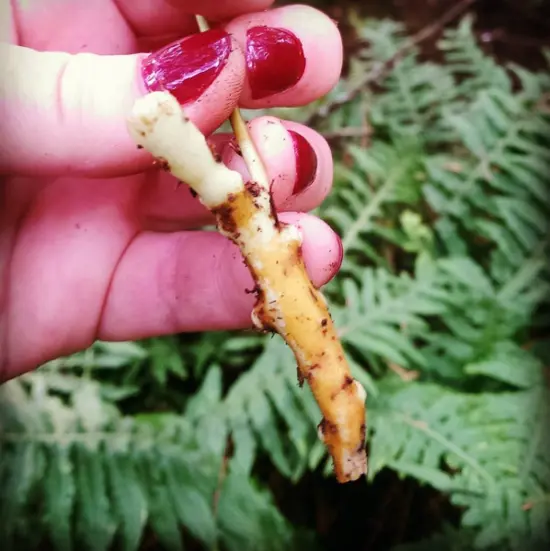
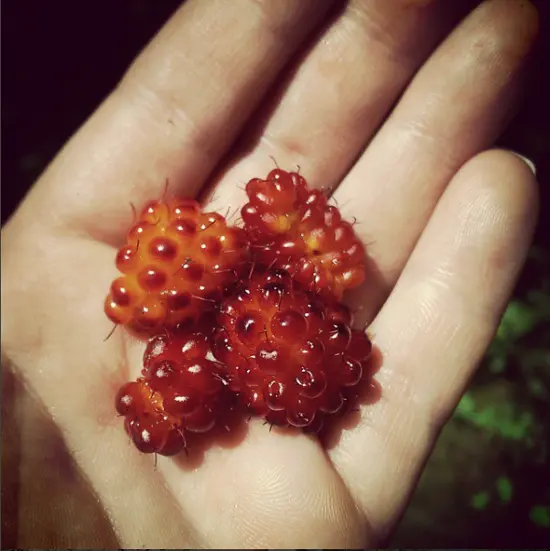
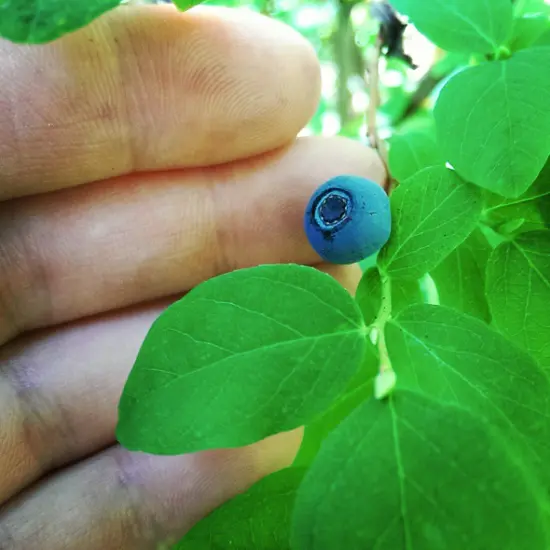
“We have tons of accessible and useful plants around here,” confirms Erickson, who hosts tours with Birchwood Herbals to educate with an emphasis on traditional medicine and seasonal significance. “Herbs coming up now have a lot of mineral and vitamin content, and kind of wake up the body from the stagnation of winter, cleaning out fatty tissue and detoxifying. Nettle for example is great for getting your lymphatic system moving after winter; it’s also a natural antihistamine when it’s fresh – ideal for allergy season!”
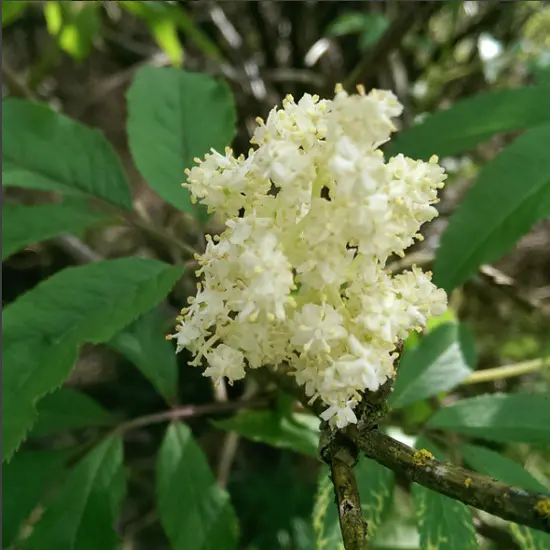
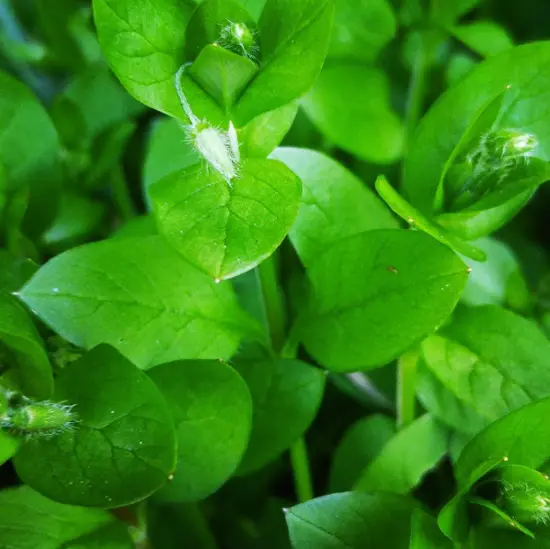
Nettle and other naturally abundant plants are often disregarded as insignificant or mistaken for weeds, and consequently ignored or ripped from the soil. Chickweed for example frequently meets this fate, but as Erickson tells walkers who reveal they’ve plucked the plant from their gardens, oblivious to its value, this wild edible has a multitude of uses from kicking up salads with a “delicious bit of spice”, to serving as a soothing agent in skin rash cream and baby care salves. Perhaps the most commonly overlooked edible is the dandelion, a plant often regarded as a menace and thus destroyed. But its leafy greens are dense in nutrients and when eaten fresh, serve as a prebiotic that helps feed the gut with good flora to aide with allergies often tied to flora imbalances; the heads can also be battered and fried in coconut oil for a delicious treat.
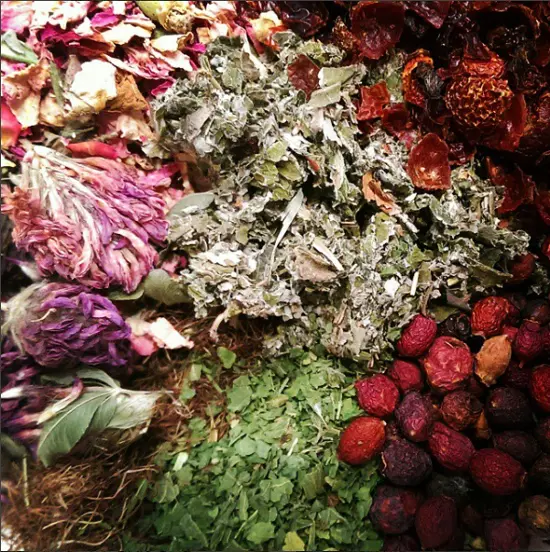
Identification of species like these and their varied uses, safety, sustainability, legalities, ethics, and proper harvesting are some of the components of foraging that Erickson takes care to address to groups. Join Birchwood Herbals and herbalist Bronwen Erickson on April 2 for the Herb Walk & Wild Foraging at Jericho Beach Park.

Craving
culture?
Get
ideas.